
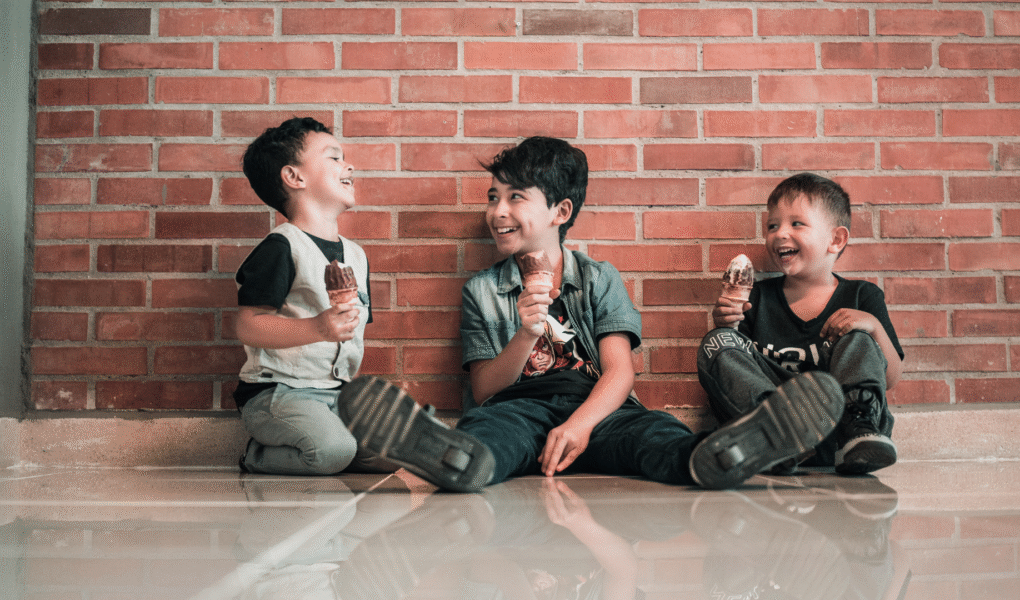
Starting school can be an exciting yet daunting experience for a child, especially when it comes to making new friends. Parents play a crucial role in guiding their children through this social transition. Encouraging children to engage in group activities and fostering open communication about their feelings can significantly boost their confidence and social skills.
Creating opportunities for interaction is essential. Parents can organize playdates, encourage participation in team sports, or suggest joining clubs that align with their child’s interests. These activities provide a natural setting for children to meet peers and form friendships.
It’s important for parents to model social behavior as well. Demonstrating how to initiate conversations and respond to others can teach children valuable interpersonal skills. Helping them understand the importance of empathy and kindness builds a strong foundation for lasting friendships.
Understanding the Challenges of Making Friends at School
Building friendships at school can be challenging for many children. Factors such as individual personalities, anxiety levels, and school transitions play crucial roles. Recognizing these challenges can help parents support their children better in developing social connections.
Recognizing Individual Differences
Each child has a unique personality that affects how they approach friendships. Some kids are natural social butterflies, while others may be more introverted.
Understanding these individual differences is vital. Introverted children might prefer deeper connections with a few friends, while extroverted children often thrive in larger groups. Parents can encourage their children to embrace their personal styles.
Identifying a child’s strengths and preferences can guide them in social situations. For instance, role-playing different scenarios at home can boost confidence and help them navigate various interactions effectively.
Addressing Shyness and Social Anxiety
Shyness and social anxiety can severely impact a child’s ability to make friends. Children who experience these feelings may avoid social settings altogether.
To support them, parents can create a safe space for emotional expression. Talking about their feelings can reduce anxiety. Encouraging participation in small group activities can help the child build comfort over time.
Introducing relaxation techniques, such as deep breathing exercises, may also aid in calming feelings before social situations. Gradually easing children into group interactions can empower them and help them conquer their fears.
Transitioning to a New or Secondary School
Changing schools, especially for those entering secondary school, poses significant challenges. New environments bring unfamiliar faces and social dynamics.
Parents should prepare their children for this transition by discussing potential friendship scenarios. Visiting the new school beforehand can also familiarize them with the environment.
Encouraging involvement in extracurricular activities can help children connect with peers who share interests. This structured environment can ease the pressure of forming friendships in unstructured settings.
A proactive approach can help children navigate these changes with confidence and resilience.
Building Essential Social Skills for Friendship
Developing social skills is crucial for children as they navigate friendships. By focusing on communication, sharing, and empathy, parents can help their children build meaningful relationships at school.
Encouraging Communication and Active Listening
Teaching children to express their thoughts clearly is vital. Encourage them to use “I” statements to share feelings, such as “I feel sad when my friend plays without me.” Role-playing different scenarios can make this practice engaging.
Active listening can be modeled effectively. Show children how to maintain eye contact and respond with nods or brief affirmations like “I see.” Remind them to ask follow-up questions to demonstrate genuine interest. Regular discussions about their day can boost their confidence and communication skills.
Teaching, Sharing, and Taking Turns
Sharing toys or resources during play is an important social skill. Create opportunities for your child to practice sharing by organizing playdates or group activities. Use phrases like “Can you let your friend have a turn?” to guide them.
Taking turns is equally significant. Introduce games that require turn-taking, such as board games or card games. Celebrate small victories when they successfully share or wait their turn. This will instill patience and encourage cooperative behavior.
Fostering Empathy and Cooperation
Empathy is foundational for building strong friendships. Teach children to acknowledge others’ feelings, emphasizing phrases like, “How do you think that made them feel?” Activities like reading stories with relatable characters can spark discussions about emotions.
Cooperative tasks can also enhance teamwork skills. Encourage children to work together on projects or group activities. When they accomplish tasks as a team, it strengthens their bonds and reinforces the importance of supporting one another.
Practical Ways to Support Your Child’s Social Connections
Fostering social connections for children at school involves concrete strategies. Parents play a vital role in facilitating these opportunities, enhancing their child’s ability to make new friends.
Arranging Playdates and Social Opportunities
Setting up playdates is crucial for developing friendships. Parents can reach out to classmates to propose simple get-togethers, like visiting parks or participating in board games at home.
Suggested Activities for Playdates:
- Outdoor games
- Art and craft sessions
- Movie nights
These activities offer a relaxed environment where children can bond and interact. It’s important to choose friends with whom the child feels comfortable to encourage positive interactions.
Parents should also consider arranging larger gatherings, like birthday parties or community events, allowing children to engage with multiple peers at once.
Promoting Participation in Extracurricular Activities
Extracurricular activities present excellent avenues for social engagement. Involvement in sports teams, music bands, or clubs provides a structured way for children to meet peers with similar interests. These environments encourage teamwork and collaboration, essential elements in forming friendships.
Examples of Extracurricular Activities:
- Soccer or basketball teams
- Scout groups
- Drama or art clubs
Parents should assist their children in selecting activities they are genuinely interested in. They can also attend events to provide support and connect with other parents, creating a community that benefits their child’s social circle.
Role Modeling Positive Social Behaviors
Children often mimic the behavior of adults around them. Parents should demonstrate positive social skills, such as effective communication, empathy, and active listening.
Strategies for Parents:
- Encourage conversations at home
- Share experiences about making friends
- Practice conflict resolution
By showcasing healthy interactions, parents teach their children how to navigate social situations. Involving children in community service or group activities can also reinforce these behaviors, emphasizing the importance of teamwork and kindness.
Guiding Your Child Through Friendship Ups and Downs
Friendships can bring joy and challenges. Navigating these experiences is essential for children’s social development. Parents play a crucial role in guiding their children through both the highs and lows of friendships.
Maintaining Open Communication
Open communication is vital for helping children express their feelings about friendships. Encourage them to share their experiences, whether positive or negative.
Questions to Ask:
- How do you feel about your friends?
- What did you enjoy doing together?
- Were there any disagreements or conflicts?
Listening attentively allows children to process their emotions and promotes a sense of security. When children feel validated, they are more likely to share their concerns and seek guidance.
Modeling effective communication strategies, like using “I” statements, can also aid in conflict resolution. For instance, a child can say, “I felt left out when…” This approach helps them articulate their feelings without assigning blame, fostering healthier interactions.
Helping Manage Conflict and Setbacks
Children encounter conflicts in friendships regularly. Guiding them through these situations enhances their problem-solving skills.
Steps to Managing Conflicts:
- Identify the Issue: Encourage children to articulate what went wrong.
- Discuss Solutions: Brainstorm possible resolutions together.
- Roleplay Scenarios: Practice responses to similar situations in a safe environment.
It’s important for children to understand that conflicts can be opportunities for growth. Encourage resilience by helping them recognize that setbacks can strengthen friendships when managed well.
Focusing on empathy also plays a crucial role. Encourage children to consider their friends’ perspectives, helping them develop emotional intelligence. This comprehensive approach to conflict empowers children to navigate friendship challenges confidently.


