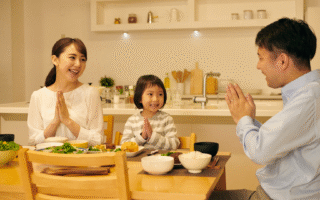
Family dinners are a cherished tradition that can easily turn monotonous if not approached with creativity. To keep family dinners fun and meaningful, incorporating games, themes, and engaging conversations is essential. These elements help create an atmosphere that invites participation and fosters connection among family members.
Introducing a weekly theme, such as “Taco Tuesday” or “Family Fun Night,” can encourage everyone to look forward to meal times. It also sparks excitement and can lead to meaningful discussions as members share their thoughts and experiences related to the theme. Engaging everyone in simple games or conversation starters can transform the dinner table into a lively hub of interaction.
With a little effort, family meals can become memorable occasions that strengthen bonds and encourage heartfelt communication. Utilizing these strategies not only makes dinners enjoyable but also instills lasting values rooted in family unity and togetherness.
Laying the Foundation for Fun and Meaningful Family Dinners
Creating a positive atmosphere for family dinners starts with establishing rituals, making dinner a priority, and enforcing a no-device policy. These elements foster connection and engagement, enhancing both the fun and meaning behind shared meals.
Establishing Family Dinner Rituals
Rituals contribute to a sense of belonging and consistency. Families can create traditions, such as themed dinner nights or special family recipes passed down through generations.
Regular activities, like sharing highlights of the day or playing a quick game before dinner, can enhance communication and bonding. Learning about each other’s experiences cultivates emotional well-being.
To make rituals meaningful, families should encourage participation from everyone. Assigning roles—like setting the table or cooking—can involve all members and promote teamwork.
Making Dinner Time a Priority
Setting aside specific times for family dinners helps reinforce their importance. Scheduling dinner at the same time each evening can create anticipation and routine, making it more likely for everyone to participate.
To prioritize these meals, families can minimize conflicting responsibilities, such as extracurricular activities that extend into dinner time. Clear communication about the significance of family meals can encourage everyone to show up.
Additionally, making dinner a non-negotiable event fosters accountability among family members. Time spent together provides opportunities for discussion and connection, improving relationships.
Setting the Tone: No-Device Policy
Implementing a no-device policy during dinner time can significantly enhance interactions. When devices are put away, families can focus on each other, reducing distractions and creating a more engaging environment.
Establish clear expectations by discussing the importance of face-to-face conversation without interruptions. This encourages more meaningful conversations and strengthens emotional bonds.
To make this policy effective, consider placing a bowl for devices at the table. By taking this step, families are likely to create a more connected atmosphere, allowing everyone to share and participate fully during meals.
Strategies to Keep Family Dinners Engaging
Incorporating engaging activities into family dinners can enhance relationships and foster stronger connections. Simple strategies can transform an ordinary dinner into a memorable experience, encouraging participation and creativity from all family members.
Creating Theme Nights
Theme nights can add excitement and anticipation to family dinners. Families may choose themes based on cuisine, culture, or even a favorite movie. For instance, Italian Night could feature pasta dishes, while Hawaiian Night might include tropical fruits and grilled meats.
To organize a theme night, the family can assign roles. One person might decorate the dining area to reflect the theme, while others prepare related dishes. Planning ahead ensures everyone knows their tasks and enhances involvement. Themed decorations, music, and attire related to the theme can also enrich the atmosphere and make the dinner feel special.
Rotating Chef or Helper of the Night
Having a rotating chef or helper system can encourage creativity and ownership during family dinners. Each week, a different family member takes charge of cooking or assisting in meal preparation. This not only teaches cooking skills but also allows for the exploration of diverse culinary traditions.
To implement this, families can create a schedule. Each member selects a dish they want to make, giving everyone the chance to showcase their favorite recipes. Prior discussions about preferences can lead to a broader range of meals and can stimulate conversations about cultural backgrounds, fostering deeper family bonds.
Eating in Unconventional Places
Changing the location of family dinners can create a fresh perspective on the meal experience. Instead of always dining at the table, families could have picnics in the backyard, meals on the porch, or even dinner in the living room while watching a movie.
By varying the setting, the dinner experience becomes more dynamic. Families can create a picnic atmosphere indoors or establish a candle-lit dinner outside. Using portable items such as trays for serving food increases versatility. This simple change can lead to more relaxed interactions and a different approach to meals, enriching family connections.
Fostering Connection and Meaningful Conversations
Creating an environment for connection during family dinners involves ensuring everyone feels comfortable and engaged. Specific strategies can promote meaningful conversations while enhancing social and critical thinking skills.
Using Family Dinner Conversation Starters
Family dinner conversation starters serve as tools to encourage dialogue. Simple yet thought-provoking questions can invite different perspectives. For example, questions like “What was the best part of your day?” or “If you could travel anywhere, where would you go?” stimulate discussion.
Using a mix of fun and insightful prompts is beneficial. Here’s a brief list:
- If you could have dinner with any historical figure, who would it be?
- What’s a skill or hobby you’d like to learn and why?
- Share a memorable family story that involves everyone.
These starters not only promote engagement but also create lasting memories.
Encouraging Everyone’s Participation
Encouraging participation from all family members fosters inclusivity. Establishing a round-table format, where everyone has a turn to speak, can enhance this effect. It is crucial to invite quieter family members to share their thoughts, as this promotes a balanced conversation.
Using prompts like “Let’s hear from someone who hasn’t spoken yet” can be effective. Active listening techniques, such as summarizing or reflecting on what another family member has said, can also enhance participation and show respect for all opinions.
Creating a safe and open atmosphere allows everyone to contribute comfortably, building stronger family bonds.
Developing Social and Critical Thinking Skills
Family dinners are ideal for developing social and critical thinking skills. Engaging in discussions that require problem-solving or ethical considerations can sharpen these skills.
For instance, discussing hypothetical situations can provoke thoughtful conversations. Questions like “What would you do in a tough situation?” or “How should we handle conflict in our community?” prompt critical thinking.
Encouraging follow-up questions also stimulates deeper discussions. This method not only helps in understanding social dynamics but also nurtures critical analysis among family members. Regular practice in this setting nurtures both individual and family growth.
Building Positive Habits and Traditions at the Table
Creating lasting traditions during family dinners fosters strong connections and enhances emotional well-being. By incorporating meaningful habits, families can improve relationships and promote a pleasant atmosphere.
Teaching Table Manners and Responsibility
Establishing table manners is essential for creating a respectful dining environment. Simple practices, such as saying “please” and “thank you,” can set the tone for polite interactions. Encouraging children to participate in setting the table and serving food instills a sense of responsibility.
Utilizing a checklist for proper etiquette can be helpful. This may include:
- Chewing with mouths closed
- Using utensils appropriately
- Engaging in polite conversation
Regular reinforcement of these behaviors during meals helps children understand the importance of manners, which positively impacts their relationships outside the home.
Celebrating Achievements and Milestones
Recognizing achievements during family dinners strengthens bonds and fosters positive reinforcement. Families can designate specific dinners to celebrate events such as birthdays, academic successes, or personal milestones.
Creating a tradition, like sharing accomplishments before the meal begins, encourages everyone to reflect on individual and family successes. This practice can enhance self-esteem and promote emotional well-being among family members.
Keeping a “success board” at home where accomplishments can be documented adds visual appeal and serves as a reminder of shared pride.
Starting Gratitude or Reflection Rituals
Incorporating gratitude exercises into dinner routines can boost emotional well-being. Before starting the meal, each family member can share something they are grateful for or reflect on their day. This fosters an environment of appreciation and openness.
Setting aside a specific moment for these rituals makes them feel significant. A suggestion is to pass around a “gratitude jar,” where family members can add notes throughout the week.
At the table, reading these notes during dinner strengthens connections and encourages empathetic listening among family members. This practice not only enhances communication but also cultivates a supportive atmosphere.