
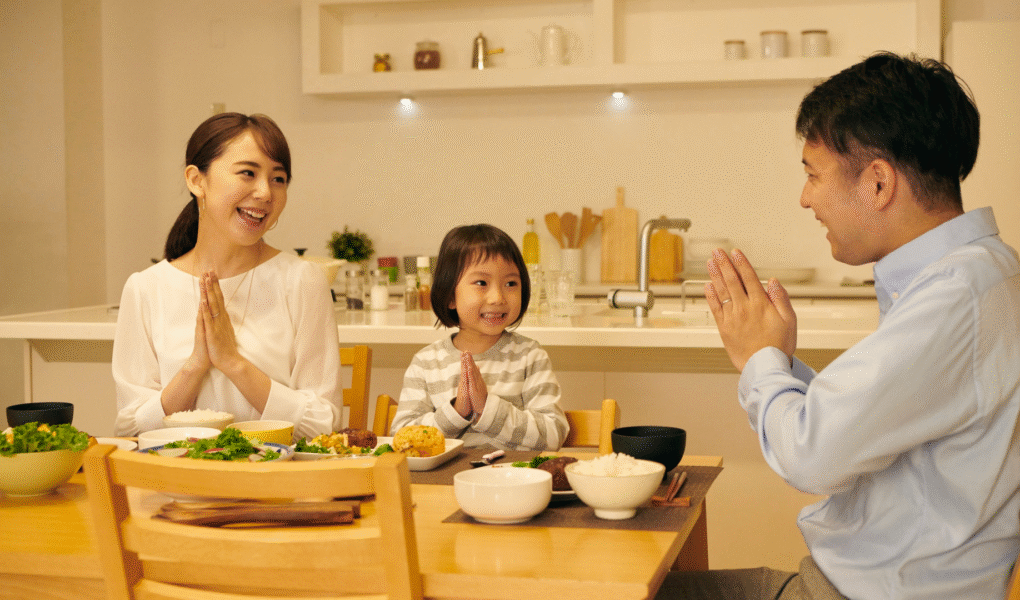
Creating a family gratitude ritual can be a powerful way to foster connection and appreciation among loved ones. Establishing a regular practice of expressing gratitude not only enhances family bonds but also promotes a sense of well-being and positivity. This article will explore practical steps to develop a meaningful gratitude ritual that suits various family dynamics.
Families can choose from a variety of formats, such as daily or weekly gatherings, where members take turns sharing what they are thankful for. Incorporating elements like art, journaling, or even themed nights can enrich the experience and make it enjoyable for everyone involved. Finding the right approach can transform gratitude into a cherished family tradition that everyone looks forward to.
By committing to a gratitude ritual, families can create a constructive atmosphere that encourages mindfulness and appreciation. Developing this practice offers an opportunity not just to express thanks, but to open up dialogues about what truly matters to each member. With the right commitment, such rituals can become a treasured part of family life.
Why Establish a Family Gratitude Ritual
A family gratitude ritual can foster numerous emotional benefits, strengthen family bonds, and enhance relationships. By incorporating practices that recognize gratitude within the family unit, members create an environment of appreciation and support.
Emotional and Mental Health Benefits
Engaging in a gratitude practice can lead to improved mental health. Studies show that regularly acknowledging what one is thankful for can reduce symptoms of anxiety and depression. This practice encourages positive thinking and helps individuals focus on the brighter aspects of life.
Family members can share their gratitude during dedicated times, which nurtures emotional well-being. By expressing thanks, families can also mitigate stress, leading to a more harmonious home environment. The simple act of showing appreciation can increase happiness levels significantly.
The Importance of Family Bonds
Establishing a gratitude ritual strengthens family bonds. When family members gather to reflect on what they appreciate about each other, it promotes unity and understanding. These shared moments create lasting memories and reinforce the family’s collective identity.
Involving everyone in the ritual encourages open communication. It allows individuals to feel heard and valued, which can be particularly important during challenging times. Strengthening these connections fosters resilience, creating a support system that families can rely on.
How Gratitude Strengthens Relationships
Practicing gratitude within a family can enhance relationships significantly. When individuals express gratitude toward one another, it cultivates kindness and empathy. This fosters an atmosphere of love and support that benefits each member’s emotional well-being.
By regularly acknowledging the contributions of others, family members build trust and deepen their emotional connections. This approach can prevent misunderstandings and conflicts, making it easier to address issues constructively. Gratitude serves as a foundation for healthier, more resilient relationships within the family.
Key Elements of a Meaningful Gratitude Ritual
Creating a successful family gratitude ritual involves careful consideration of timing, involvement, and the format of the gathering. Focusing on these elements ensures the ritual strengthens emotional bonds and becomes a cherished family tradition.
Selecting the Right Time and Setting
Timing plays a crucial role in establishing a family gratitude ritual. A consistent schedule can enhance participation and create anticipation.
- Daily Moments: Consider integrating gratitude into family meals, like dinner. This is often a time when families are together.
- Weekly Gatherings: A specific night each week can foster a sense of belonging and commitment.
- Special Occasions: Use holidays or birthdays to emphasize gratitude and reflection.
The location should be comfortable and inviting, such as the dining room or living area, where family members can connect easily.
Fostering Participation from All Family Members
Engaging everyone is essential for a meaningful gratitude ritual. Each person should feel valued and encouraged to express their thoughts.
- Take Turns: Establish a rotating system where each family member shares what they are grateful for.
- Inclusive Approach: Tailor prompts for younger children, such as using specific questions they can relate to.
- Encourage Sharing: Create a safe environment where everyone feels comfortable expressing their feelings without judgment.
The involvement of all family members enhances connections and strengthens emotional bonds.
Choosing Ritual Formats: Meals, Gatherings, or Routines
Different formats can suit various family dynamics and preferences. Here are some options to consider:
- Family Meals: Incorporate gratitude sharing during meals, bringing everyone together while enjoying food.
- Gatherings: Organize formal or casual meet-ups dedicated to gratitude. Games or activities can make these gatherings more engaging.
- Daily Routines: Integrate the ritual into daily habits, like bedtime reflections, allowing gratitude to become a natural part of life.
Choosing a format that resonates with the family enhances participation and makes the ritual enjoyable.
Creative Ways to Express Gratitude as a Family
Engaging in creative expressions of gratitude can strengthen family bonds and cultivate a positive environment. Here are several methods that families can adopt to promote gratitude effectively.
Using a Gratitude Jar or Board
A gratitude jar is a simple yet impactful way to acknowledge the positives in life. Family members can write down things they are thankful for on slips of paper and place them in the jar. This activity encourages everyone to reflect on their blessings.
Alternatively, a gratitude board can be created using a poster or a whiteboard. Family members can use markers or sticky notes to jot down their gratitude items. Displaying these in a common area fosters daily reminders of blessings and encourages conversation about each entry.
Sharing Circles and Storytelling
In a sharing circle, family members gather together regularly to express their thoughts and feelings. Each person takes turns sharing something they are grateful for. This can lead to meaningful discussions and deeper understanding among family members.
Storytelling enhances this experience. Family members can share personal stories related to gratitude, focusing on specific moments that brought joy or learning. This approach not only builds connections but also highlights the importance of appreciating life’s experiences.
Family Gratitude Journals
Keeping a family gratitude journal offers a structured way to record and reflect on feelings of thankfulness. Each member can maintain their own journal or collaborate on a single book.
Entries can include daily highlights or special moments that stand out. Additionally, prompts can be utilized, such as “What made you smile today?” This practice cultivates mindfulness, helping each family member recognize and articulate their gratitude consistently.
Acts of Kindness and Service
Engaging in acts of kindness encourages the expression of gratitude beyond words. Families can participate in community service projects together, such as volunteering at a local shelter or organizing a neighborhood clean-up.
These activities foster gratitude for one’s own circumstances and promote empathy towards others. Additionally, simple acts like writing thank-you notes or baking treats for neighbors can make a significant impact. This focus on service reinforces the principles of gratitude while strengthening family ties.
Sustaining and Deepening Your Family Gratitude Practice
Creating a lasting family gratitude practice involves integrating mindfulness into daily life, maintaining consistent rituals, and passing down traditions. Each of these strategies contributes to a richer, more meaningful gratitude experience.
Cultivating Mindfulness in Everyday Life
Mindfulness plays a crucial role in fostering gratitude. It encourages family members to be present and appreciate small moments. Simple activities like mindful eating or walking can enhance awareness.
Families can practice mindfulness by setting aside specific times for quiet reflection. This can be done during meals or before bedtime. During these moments, family members can share what they are grateful for that day, promoting a deeper connection.
Incorporating mindfulness techniques, such as breathing exercises, can also prepare them for these discussions. This focuses attention and opens hearts to express gratitude genuinely.
Encouraging Consistent Gratitude Rituals
Establishing a regular gratitude ritual ensures that gratitude becomes a part of family culture. Families can choose specific days for sharing gratitude, such as Sunday evenings.
Creating a gratitude jar can be a compelling way to visualize appreciation. Family members can write down notes of gratitude throughout the week and read them together at the end of each week or month.
Using prompts can encourage discussion and reflection. For example, asking about specific moments of kindness experienced during the week can prompt deeper conversations.
Passing Gratitude Traditions Across Generations
Transmitting gratitude practices across generations strengthens family bonds. Older family members can share stories of their gratitude rituals, highlighting their importance and impact.
Involving younger generations in established rituals fosters a sense of connection. They can learn not just the practices but the values behind them.
Encouraging the younger family members to contribute their own ideas can also reinvigorate traditions. This collaborative approach creates a dynamic and evolving gratitude culture that resonates across age groups.

