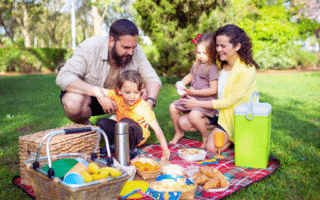
Modeling healthy relationships for children is essential for their emotional and social growth. By demonstrating respect, communication, and empathy in their own relationships, parents can equip their children with the tools they need to cultivate positive connections in their lives. When kids witness healthy interactions, they are more likely to emulate those behaviors in their friendships and future partnerships.
Parents play a crucial role in shaping their children’s perceptions of relationships through their actions. Engaging in open discussions about feelings, conflicts, and resolutions helps children learn the importance of dialogue and understanding in relationships. They develop essential skills that contribute to more profound, lasting connections with others.
Encouraging kids to express their emotions and respect differences is another vital aspect of modeling healthy relationships. Parents can foster an environment where children feel safe sharing their thoughts and feelings, teaching them the value of vulnerability and support. By consciously exhibiting these practices, parents lay the foundation for their children to form healthy, fulfilling relationships as they grow.
Foundations of Healthy Relationships
Building a healthy relationship starts with understanding the essential components that create stability and respect. These elements foster an environment where all parties can feel valued and safe.
Core Values and Mutual Respect
Core values are the guiding principles that shape behavior in relationships. They include honesty, kindness, empathy, and support. Families should actively discuss and identify these values to establish a strong foundation.
Mutual respect is a critical aspect of any relationship. This means acknowledging each other’s feelings, opinions, and boundaries. Teaching children to appreciate diverse perspectives helps them cultivate respect in their future relationships. Parents can model this by demonstrating respect in their interactions, ensuring that it is a two-way street.
Trust and Honesty
Trust is a vital component of healthy relationships. It is built over time through consistent actions and open communication. When children witness trustworthy behavior, they learn its importance.
Honesty goes hand in hand with trust. Encouraging open dialogue about feelings and experiences creates an atmosphere where children feel safe to express themselves. Parents should communicate openly, correcting any misconceptions promptly. Regular discussions about honesty and accountability reinforce these values in children.
Boundaries and Consent
Understanding boundaries is essential for fostering respectful relationships. Boundaries help individuals define their personal space and comfort levels. Discussing this concept with children allows them to recognize their needs and the needs of others.
Consent is closely related to boundaries. Teaching children about consent involves explaining that it is crucial to seek permission before engaging in any physical interaction. Clear discussions about consent empower children to communicate and respect their limits, as well as those of others. This understanding helps them build healthy, respectful relationships in the future.
Modeling Positive Behaviors at Home
Creating a nurturing home environment lays the foundation for children to learn about healthy relationships. Parents can influence their kids by demonstrating positive behaviors, including compassion, effective communication, and constructive conflict resolution.
Demonstrating Compassion and Kindness
Demonstrating compassion and kindness is crucial for modeling positive behaviors. Parents should consistently show empathy towards family members. This can be as simple as asking how someone’s day went or recognizing when someone is feeling down.
Examples of Compassionate Actions:
- Offer help willingly when a family member is struggling.
- Use supportive language that affirms feelings, such as “I understand” or “It’s okay to feel this way.”
Children absorb these actions and learn to express kindness in their interactions with others. They begin to understand the importance of caring for those around them, fostering a more compassionate attitude.
Effective Communication and Active Listening
Effective communication is essential for building strong relationships. Parents should practice clear and respectful communication with their children and one another. This approach includes expressing thoughts openly and honestly while allowing others to do the same.
Active Listening Techniques:
- Maintain eye contact while listening.
- Repeat back what was heard to confirm understanding.
Introducing these skills early helps children appreciate the importance of dialogue. It teaches them that communication goes both ways, which is vital for establishing trust.
Conflict Resolution and Problem-Solving
Conflict is a natural part of relationships, and teaching children how to handle it constructively is key. Parents should model healthy conflict resolution strategies. This includes addressing disagreements calmly and actively seeking solutions rather than resorting to anger or withdrawal.
Steps for Effective Resolution:
- Acknowledge the conflict: Both parties should recognize the issue.
- Express feelings: Each person shares their perspective without blame.
- Collaborate on a solution: Work together to find a resolution that satisfies everyone.
By navigating conflicts together, parents show children that disputes can lead to growth and better understanding. This positive approach helps build resilience and strong problem-solving skills.
Navigating Challenges and Building Resilience
Navigating challenges in relationships is crucial for children’s development. By addressing unhealthy relationships, teaching emotional regulation, and handling family dynamics during difficult times, parents can foster resilience and help their children thrive.
Addressing Unhealthy Relationships
Identifying unhealthy relationships is vital for children’s emotional health. Parents should teach children to recognize signs of emotional abuse, manipulation, and harassment. Discussions around consent, boundaries, and respect can empower them to understand what constitutes a healthy connection.
Role-playing scenarios can help children practice responding to peer pressure. Encouraging open dialogue about their feelings allows them to express concerns about relationships without fear of judgment. Reinforcing the idea that they have the right to leave toxic situations is essential for their confidence.
Teaching Emotional Regulation and Self-Esteem
Emotional regulation skills are key to resilience. Parents can guide children in recognizing their feelings and managing them. Simple techniques like deep breathing, mindfulness, and journaling can be effective tools.
Building self-esteem is equally important. Praise efforts rather than results, emphasizing personal growth and resilience. Providing a safe environment where they can take risks and learn from mistakes fosters a strong sense of self-worth. Encouragement to engage in activities they enjoy boosts confidence and social skills.
Handling Divorce, Separation, and Family Dynamics
Divorce and separation pose unique challenges for children. Parents need to communicate openly about the changes while reassuring the children of their love and support. Establishing a routine can provide stability during a time of uncertainty.
It’s crucial to address feelings of loss and help children articulate their emotions. Encouraging conversations about their experiences can lighten the emotional burden. Providing resources such as counseling may be beneficial for those struggling to cope with the new family dynamics.
By promoting resilience during these difficult periods, parents can help children adapt and thrive despite challenges.
Cultivating Meaningful Connections Beyond the Family
Building connections outside the family is crucial for children’s emotional and social development. These relationships help them learn essential skills such as communication, empathy, and teamwork. The following areas provide a framework for nurturing these meaningful connections.
Friendships and Social Skills
Friendships play a significant role in childhood development. They teach children about trust, loyalty, and empathy. Through play and interaction, children learn to express feelings and resolve conflicts.
Encouraging children to seek friendships can be as simple as arranging playdates or group activities. This helps them practice social skills in various environments.
Key aspects to focus on include:
- Communication: Teach kids to share thoughts and feelings.
- Active Listening: Practicing attentive listening fosters deeper connections.
- Conflict Resolution: Guide children in navigating disagreements constructively.
Encouraging Teamwork and Cooperation
Teamwork helps children understand the importance of working with others. Participation in group activities, such as sports or school projects, reinforces cooperation and shared goals.
Children learn to appreciate diverse perspectives, promoting equality and respect. They gain insights into their strengths and how to contribute to a collective effort.
Important considerations include:
- Setting Roles: Assigning specific roles in activities helps children understand responsibility.
- Celebrating Success: Acknowledging group achievements builds a sense of belonging.
- Problem-Solving: Encourage collaborative problem-solving to enhance critical thinking.
Supporting Gratitude and Responsibility
Instilling a sense of gratitude in children fosters awareness of their impact on others. Research shows that gratitude promotes well-being and strengthens relationships.
Encouraging children to express appreciation for their friendships can enhance emotional connections.
Ways to support gratitude include:
- Gratitude Journals: Encourage kids to note things they are thankful for regularly.
- Acts of Kindness: Engage children in activities that promote helping others.
- Modeling Responsibility: Show children how to take responsibility for their actions and care for their relationships.
These practices not only nurture empathy but also prepare children for future romantic relationships by emphasizing the importance of affection and mutual respect.