
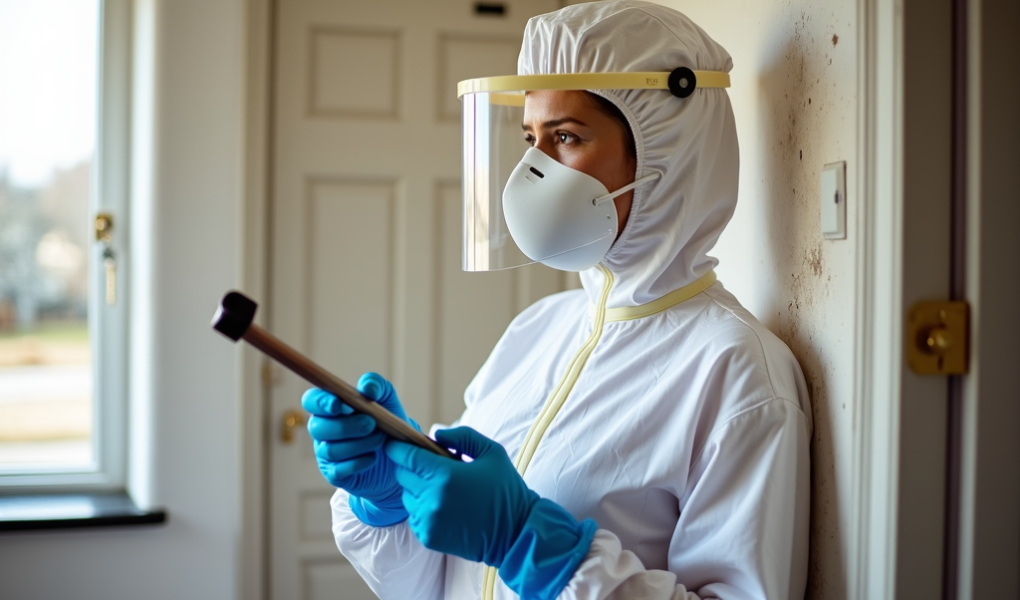
Strange odors. Headaches that ease up when you leave the house. Spots on the wall that seem to be growing. Mold doesn’t always announce itself clearly—but when it starts to raise suspicion, professional mold testing can give you answers you can trust.
A lot of people try to handle it themselves, but the truth is, mold can be tricky. It’s not always visible. It doesn’t always smell. And the effects—on your home and your health—aren’t always immediate. That’s why calling in a qualified mold inspector is often the best first step. Here’s what you need to know.
Why Mold Deserves Your Attention
It’s easy to dismiss mold as just a cosmetic issue. A little black spotting around the window? Just needs a wipe. A stain in the corner of the basement? Probably nothing. But mold is more than an inconvenience—it can impact indoor air quality and trigger health issues, especially for anyone with asthma, allergies, or a weakened immune system.
On top of that, mold growth is usually a sign of a deeper issue, like moisture intrusion, water damage, or poor ventilation. So, testing isn’t just about spotting mold. It’s about understanding what’s feeding it, and whether the problem is isolated or widespread.
What Is Professional Mold Testing, Really?
Professional mold testing is a detailed assessment performed by trained inspectors who know what to look for—and where. It’s not just about taking samples. It’s a full investigation into your home’s air quality, moisture levels, and hidden problem areas.
An inspection often includes:
- A visual assessment of high-risk areas (think basements, bathrooms, around windows, attics)
- Moisture mapping using thermal cameras or moisture meters
- Air sampling to measure mold spore levels in different rooms
- Surface sampling, when visible mold is present
- Lab analysis of collected samples to identify mold type and concentration
Unlike DIY kits, which can be unreliable or misinterpreted, professional testing comes with expert interpretation. They’re not just telling you if mold is there—they’re helping you understand the scope and risk.
When It’s Time to Bring in a Professional
Not every bit of mold requires a professional inspection. But there are certain signs—and situations—where it’s the smart move.
For example, if you’ve had a recent flood or leak, there’s always a risk of mold growth behind walls or under flooring, even if everything looks dry now. Or maybe you’ve noticed your allergies acting up at home but clearing up when you’re away. That’s a red flag.
Other times, there’s visible mold, but it keeps coming back no matter how many times you clean it. That usually means the source of moisture hasn’t been addressed—and you need someone who can figure out what’s really going on.
It’s also worth considering if:
- You’re buying or selling a property and want a clear understanding of any potential mold issues
- You’ve recently completed major renovations or discovered hidden leaks during construction
- You’re a landlord or property manager and need documented proof for tenant safety or insurance
What to Expect During a Professional Mold Inspection
If you’ve never gone through this process before, it might feel a bit intimidating—but it’s actually pretty straightforward.
The inspector will usually start with a conversation, asking about any history of leaks, recent water damage, or health symptoms. Then comes a walk-through of the property. They’re not just looking for mold—they’re looking for conditions that allow mold to grow: high humidity, water intrusion, poor airflow.
From there, they’ll use specialized equipment to detect moisture inside walls or under floors. If there’s visible mold, surface samples may be taken. If there’s no visible growth, air samples might be collected to see what’s floating around.
The samples are sent to a lab, and within a few days, you’ll get a detailed report. This usually includes:
- The types of mold found (some are more concerning than others)
- The spore counts compared to normal outdoor levels
- Recommendations for remediation, if needed
This isn’t just about identifying a problem—it’s about mapping a solution.
Why This Isn’t Something to DIY
You can find plenty of home mold test kits online, and while they seem convenient, they’re often misleading. Most homes have some level of mold spores in the air—it’s normal. But without proper training, it’s almost impossible to know whether your results are within a healthy range or not.
Worse, DIY kits don’t help you figure out where the mold is coming from or what’s causing it. And if you miss a source of moisture? The problem just comes back.
Professionals bring context. They don’t just say “you have mold.” They explain what kind, how much, and whether it points to a bigger issue. That level of insight is what actually helps you take meaningful action.
What Happens If Mold Is Found?
Don’t panic. Finding mold doesn’t mean your home is unsafe or ruined. It just means there’s something to address.
If the issue is minor, remediation might be as simple as removing some drywall, cleaning the area with specialized products, and improving ventilation. If it’s more severe, you might need a licensed mold remediation company to come in and handle it safely, especially if it’s contaminated large areas or sensitive parts of your home like HVAC systems.
In either case, a good inspector will guide you on the next steps. Often, they’ll do a follow-up test after remediation to confirm that the mold is fully gone and spore levels are back to normal.
Prevention Starts with Awareness
Once mold has been professionally dealt with, keeping it away is all about moisture control. That might mean fixing leaks quickly, using a dehumidifier in damp areas, or making sure bathrooms and kitchens are properly ventilated.
But the biggest benefit of professional testing? Awareness. It shows you what’s really happening behind the scenes—and gives you the knowledge to fix it properly.
Peace of Mind Starts Here
Professional mold testing isn’t just for emergencies or major home disasters. Sometimes, it’s the missing piece when something feels off and you can’t put your finger on it. Other times, it’s a smart move before buying a new place or after a renovation.
Whatever the reason, it’s always better to know. Mold left unchecked can quietly damage your home and your health. But with the right testing, you’re not guessing. You’re making informed, confident decisions.
So if you suspect something’s not quite right, or just want peace of mind? Bring in the pros. It could be the healthiest decision you make for your home.


