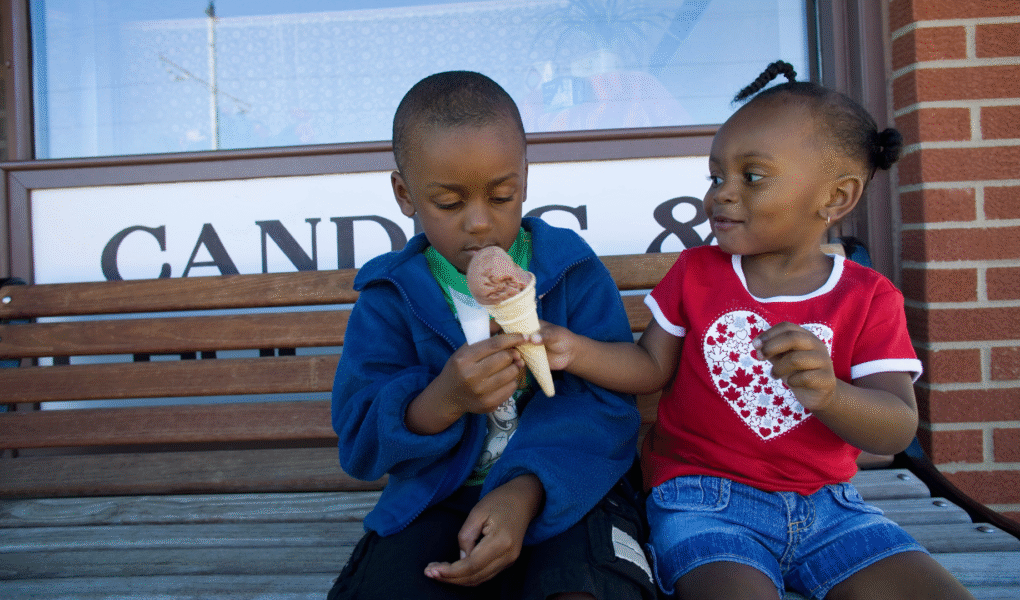
Teaching children about kindness through daily actions is essential for their emotional and social development. When children observe and engage in acts of kindness, they learn the importance of empathy, compassion, and respect for others. Incorporating kindness into everyday life provides a practical framework for children to understand positive social interactions.
Simple gestures such as sharing, helping a friend, or showing appreciation can significantly impact a child’s understanding of kindness. These actions not only encourage positive relationships but also foster a supportive environment within families and communities. By modeling kind behavior, parents and educators play a crucial role in shaping how children perceive and practice kindness in their lives.
By nurturing this vital skill, children are equipped to navigate their world more compassionately. Developing a habit of kindness can lead not only to personal growth but also to a more considerate society. Emphasizing daily actions that reflect kindness sets the foundation for a future where respect and empathy are the norm.
Why Daily Actions Matter in Teaching Kindness
Daily actions play a crucial role in instilling kindness in children. These actions serve as tangible examples, reinforcing what it means to be kind beyond mere words. They help shape young minds in a way that nurtures empathy, compassion, and character.
The Difference Between Being Kind and Being Nice
Being nice often involves superficial interactions, such as offering a polite smile or a casual compliment. Kindness, on the other hand, entails a deeper emotional engagement. It requires understanding the feelings of others and responding meaningfully. Teaching children to differentiate between these concepts can lead them to practice genuine acts of kindness, which can resonate more profoundly with their peers.
Encouraging children to participate in thoughtful actions—like helping someone in need or listening actively—teaches them the difference. These actions create a foundation for authentic relationships based on empathy and understanding, rather than just social expectations.
Developing Empathy and Compassion in Children
Empathy and compassion are essential traits that can be cultivated through daily actions. When children witness acts of kindness in their families or communities, they learn how to recognize the feelings of others. Simple tasks, such as sharing toys or providing support during difficult times, can help children grasp these concepts.
Role-playing different scenarios can also enable children to experience varying perspectives. By practicing how to react to others’ emotions, they develop skills that empower them to respond thoughtfully. This deepens their understanding of compassion, fostering emotional intelligence that becomes part of their character.
Building Character Traits Through Routine Kindness
Engaging in regular acts of kindness helps children build character. They learn responsibility, respect, and the importance of treating others well. Daily routines that include helping others—like volunteering, sharing, or simply saying thank you—contribute to this character development.
Simple family traditions focused on kindness, such as “kindness challenges,” can encourage children to actively participate. Tracking these actions can enhance their sense of purpose and achievement, reinforcing positive behavior over time. These repeated experiences instill values that shape children’s identities and interactions throughout life.
Practical Everyday Ways to Foster Kindness
Fostering kindness in children can be achieved through practical, everyday actions. Incorporating consistent, relatable activities strengthens their understanding of kindness and its importance in everyday interactions.
Modeling Kind Behavior as Adults
Children learn by observing the adults around them. When adults demonstrate kind behavior, it lays the groundwork for children to emulate. Simple actions like saying “please” and “thank you,” helping neighbors, or showing empathy in conversations can significantly influence a child’s perspective.
Parents and caregivers can engage in collaborative activities that highlight kindness. For instance, volunteering as a family fosters a shared experience in helping others. Discussing scenarios where kindness made a difference enhances children’s ability to appreciate and replicate these behaviors in their daily lives.
Encouraging Random Acts of Kindness
Encouraging random acts of kindness offers children the freedom to express their caring nature without the constraints of routine. Adults can introduce this concept by creating a fun “kindness challenge” at home, where family members perform one act of kindness each day.
Acts can range from holding the door for someone to leaving uplifting notes for classmates. Children may also be motivated to brainstorm creative ideas for spontaneous acts, which can further amplify their sense of agency and compassion. Recognizing and celebrating these acts strengthens their desire to continue practicing kindness.
Using Kindness Jars and Kindness Cards
Kindness jars and kindness cards provide tangible ways to promote kindness. A kindness jar can be filled with slips of paper listing kind acts that children can do. This visual reminder serves as motivation for children to pick a task and complete it regularly.
Kindness cards can be personalized, allowing children to write down compliments or kind messages to share with friends and family. Distributing these cards encourages thoughtful interactions and emphasizes the value of uplifting others. These tools create a playful approach to integrating kindness into everyday life.
Reinforcing Kindness with Positive Feedback
Providing positive feedback plays a crucial role in reinforcing kind behavior. When children display acts of kindness, specific praise can significantly boost their self-confidence. Acknowledging not just the act but also the feelings it evokes encourages deeper understanding.
Adults can create a nurturing environment by discussing the impact of kindness on both the giver and receiver. Using phrases like “I noticed how happy that made your friend” can help children connect their actions to emotional outcomes, fostering a lasting commitment to kindness.
Engaging Kindness Activities for Children
Incorporating kindness activities into daily routines can significantly impact children’s understanding and practice of kindness. Here are several engaging activities to inspire children and cultivate a culture of kindness.
Kindness Rocks and Kindness Trees
Kindness Rocks are painted stones that symbolize positive messages. Children can paint uplifting words or images on rocks and place them in public spaces, such as parks or schoolyards. This not only spreads joy but also encourages creative expression.
A Kindness Tree acts as a visual reminder of kind acts. Families can set up a tree, either real or crafted from paper, where children add leaves with written acts of kindness, such as helping a friend or sharing toys. Over time, the tree fills with colorful leaves, showcasing their collective kindness contributions.
Participating in Kindness Challenges
Kindness challenges encourage children to perform daily acts of kindness over a specific time frame. These can be structured as competitions among friends or family members. Each day, participants can complete a new task, such as complimenting someone or helping with chores.
This activity fosters team spirit and enhances awareness of how small actions lead to positive change. A checklist of daily challenges can be created to keep children motivated. This can also be a great way for them to track their progress and reflect on their experiences.
Celebrating World Kindness Day
World Kindness Day, celebrated on November 13th, provides an annual opportunity to focus on kindness globally. Schools and communities can organize events, such as kindness assemblies or themed activities, to highlight various ways to be kind.
Children can participate in workshops, share stories, or create kindness posters. Such engagements not only educate but also inspire long-term kindness habits. Celebrating this day in a fun yet informative manner can help children understand the importance of kindness in society.
Incorporating Kindness Videos and Stories
Using media to teach kindness is effective. Engaging videos and stories can illustrate instances of kindness, making these concepts relatable and memorable. Parents and educators can select age-appropriate content that highlights acts of empathy and cooperation.
After watching, discussions can be held to reflect on the kindness shown in these videos. Children can also be encouraged to act out scenarios or create their own stories about kindness. This interactive approach stimulates creativity and reinforces the messages conveyed.
Teaching Kindness Through Stories and Faith
Stories and faith play a vital role in teaching children the importance of kindness. Specific narratives and lessons from scripture can instill values like empathy and compassion, providing a strong foundation for moral development.
Biblical Lessons: The Good Samaritan
The parable of the Good Samaritan is an essential narrative that exemplifies kindness and compassion. In this story, a Samaritan helps a wounded traveler ignored by others. This act emphasizes loving one’s neighbor, regardless of differences.
Children can learn that kindness goes beyond mere words. Actions, like helping those in need, create a significant impact. Engaging children in discussions about this story can empower them to identify opportunities for kindness in their own lives.
Wisdom from Scripture: Ephesians 4:32, Colossians 3:12, Proverbs 31:26
Ephesians 4:32 encourages individuals to “be kind and compassionate to one another.” It highlights the importance of forgiveness and love. Such teachings reinforce the idea that kindness should be a daily practice.
Colossians 3:12 urges children to clothe themselves with compassion, kindness, humility, gentleness, and patience. This scripture provides a framework for character building.
Proverbs 31:26 speaks to the strength of a kind woman who uses her words wisely. Her kind speech exemplifies how to model positive interactions. Together, these verses create a comprehensive guide for instilling kindness in children.
Instilling Empathy and Compassion Through Storytelling
Storytelling is a powerful method for teaching empathy. Through stories, children can experience different perspectives, making them more aware of others’ feelings.
Presenting characters who face challenges helps children relate and respond with compassion. Asking questions about how characters might feel encourages reflection and deeper understanding.
Parents and educators can use stories to discuss real-life situations, helping children connect narrative lessons to their everyday interactions. This practice not only nurtures kindness but also reinforces emotional intelligence in young minds.