Creating family traditions can significantly strengthen bonds and foster lasting memories. To build traditions that endure, families should focus on shared interests and consistent participation, making each event meaningful and enjoyable for everyone involved. These traditions become reference points for family identity and continuity across generations.
Involving all family members in the planning process fosters a sense of ownership and excitement. Regular gatherings, whether for holidays or specific activities, help establish patterns that everyone looks forward to. Families might consider unique rituals, like an annual camping trip or a special meal that is always shared on a particular date, to enhance the experience and create cherished recollections.
By intentionally prioritizing time together and crafting their own unique customs, families can ensure that their traditions are not just temporary but rather create a foundation for lasting connections. These rituals serve as milestones in family history, reminding everyone of their shared experiences and the joy of togetherness.
Why Family Traditions Matter
Family traditions play a crucial role in shaping relationships and establishing a family’s identity. They foster a sense of belonging and create lasting memories, reinforcing the values and connections that bind family members together.
Sense of Belonging and Family Identity
Family traditions contribute significantly to an individual’s sense of belonging. Participating in shared activities creates a feeling that one is part of a greater whole. This sense of inclusion can boost self-esteem, particularly in children.
Traditions often reflect family values and heritage. They help members understand their roots and the identity that binds them. Celebrating holidays or annual family gatherings can reinforce cultural norms and bring generations together, creating a cohesive family narrative.
Strengthening Family Bonds
Participating in family traditions fosters stronger bonds among members. Regular family activities create opportunities for open communication and shared experiences. These occasions often become cherished moments that can deepen relationships and promote trust.
Traditions encourage collaboration and teamwork. Whether it’s preparing for a holiday meal or organizing a family trip, working together toward a common goal can enhance interpersonal relationships. This collective effort strengthens connections and builds a support system within the family.
Building Lasting Memories
Creating memories is one of the most valued aspects of family traditions. Engaging in consistent practices, like game nights or vacation trips, leaves a lasting impact on individuals. These moments often evoke nostalgia and provide comfort during challenging times.
Memorable experiences reinforce family identity as stories are passed down through generations. They become part of the family’s shared history, ensuring that the values instilled through traditions live on. Memories formed together create a treasured bond that can last a lifetime.
Foundations for Creating Traditions That Last
Establishing lasting family traditions begins with a solid foundation rooted in shared values, consistent practices, and the active involvement of all members. These elements ensure that traditions resonate and evolve, fostering a strong family culture and heritage.
Identifying Family Values and Interests
Recognizing what a family values is essential for shaping traditions. Families should engage in discussions to pinpoint core values such as love, generosity, creativity, or adventure.
- Activities Based on Interests: Activities can stem from collective interests, whether they be cooking, sports, or arts and crafts.
- Documenting Values: It may be helpful to create a family mission statement that encapsulates these values. This serves as a guiding light for creating traditions that reflect who they are as a family.
Shared values make traditions meaningful and relevant, enhancing the desire to participate and keep them alive.
Consistency and Flexibility
While consistency in practices fosters reliability, flexibility ensures personal and familial needs are met. Establishing a routine helps maintain interest, but life changes may necessitate adjustments.
- Scheduled Events: Regularly planned activities, like a family game night each month, provide structure.
- Adapting to Change: Families can be flexible by altering traditions when children grow older or when new members join.
Balancing consistency with flexibility allows traditions to remain relevant and cherished over time, keeping family bonds strong.
Inclusive Involvement of All Family Members
Traditions thrive when everyone participates. Ensuring that all family members have a voice encourages ownership and investment in the traditions.
- Shared Responsibilities: Assigning different roles for activities fosters teamwork. For example, one member might plan meals while others handle decorations.
- Gathering Ideas: Regular family meetings can be held to brainstorm new ideas or to refresh existing traditions, ensuring everyone feels included.
Inclusive involvement strengthens relationships and deepens connections, making traditions more meaningful and cherished.
Evolving Traditions Over Time
Family traditions should not be static; they must evolve as families grow and change. Staying open to modifications can keep traditions engaging.
- Seasonal Adjustments: Families might adjust traditions yearly based on children’s ages, interests, and lifestyle changes.
- Adopting New Practices: Introducing new cultural influences or seasonal activities can enhance existing traditions.
Family traditions infused with evolution maintain significance while continually strengthening family ties, culture, and heritage through shared experiences and memories.
Types of Traditions to Inspire Your Family
Creating lasting family traditions can strengthen bonds and create cherished memories. The following types of traditions inspire intergenerational connections and foster a sense of belonging.
Holiday and Seasonal Traditions
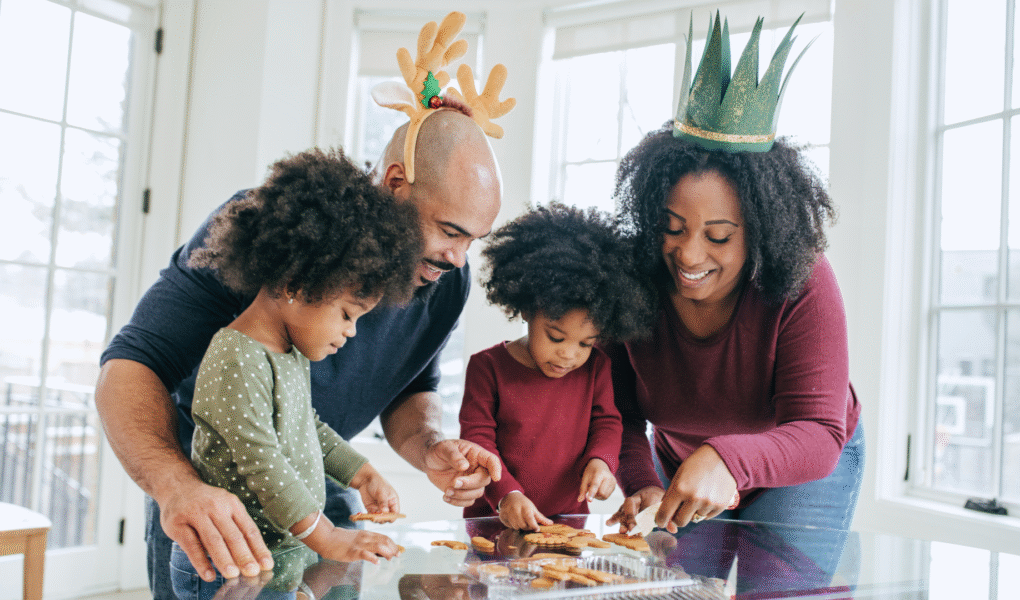
Holiday celebrations, such as Thanksgiving or Christmas, offer opportunities for families to connect. Families might create unique rituals around these occasions, like a special dish or an annual trip. Seasonal traditions, like apple picking in the fall or beach outings in the summer, further enhance shared experiences.
Decorating the home together or participating in cultural festivals can deepen ties to heritage. Each holiday brings a chance to reflect on family values and history. Such traditions also provide a framework for annual rituals, giving family members something to look forward to.
Everyday Rituals and Weekly Activities
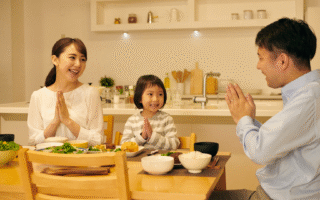
Incorporating everyday rituals, like family dinners, fosters regular connection. Families can establish specific nights for games or movies, such as “family game night” every Friday. Consistent gatherings allow family members to engage in conversation and bond over shared interests.
Bedtime rituals can also promote closeness. Reading bedtime stories or sharing highlights from the day creates a safe space for communication. Emphasizing these simple, daily moments encourages ongoing interaction and strengthens family ties.
Celebrating Milestones and Special Occasions
Marking milestones such as birthdays or graduations creates memorable experiences. Families can establish unique birthday traditions that include favorite meals, special decorations, or personalized gifts. Celebrating each achievement reinforces family support and pride.
Acknowledging life events, like anniversaries or the first days of school, can also strengthen connections. Creating a ritual for these occasions, from sharing stories to hosting themed parties, can enhance lasting memories. Recognizing special moments in this way assures family members feel valued and appreciated.
Community Engagement and Giving Back
Involvement in community activities can foster a sense of belonging beyond the family unit. Engaging in volunteer opportunities together, such as serving at a local shelter, teaches values like empathy and cooperation. It also cultivates social responsibility within younger family members.
Attending community events or cultural holidays as a family can enrich experiences and create shared memories. Involvement with local festivals or charity events strengthens connections to the community. This tradition instills a sense of unity and encourages families to support one another while promoting active citizenship.
Making and Preserving New Family Traditions
Creating lasting family traditions requires thoughtful planning and a commitment to engaging family members. Emphasizing personal rituals, documenting memories, and adapting traditions are essential for fostering deeper connections.
Creating Meaningful and Personal Rituals
Meaningful rituals help family members bond and create lasting memories. They should reflect the family’s values and interests. For example, families can establish weekly game nights, seasonal outings, or annual trips that resonate with everyone involved.
Customizing these rituals ensures they become personal treasures. Incorporating elements such as favorite meals, shared activities, or cultural practices can strengthen their significance. Families should encourage everyone to participate in the planning process to foster ownership and enthusiasm. This shared investment fosters excitement around maintaining and preserving the tradition for years to come.
Documenting Family Moments and Memories
Documenting family moments is crucial for preserving traditions. Photos, videos, and journals serve as tangible reminders of experiences. Families can set aside specific times to reflect on past traditions and revisit cherished memories.
Utilizing technology can enhance this process. Maintaining a family cloud storage or social media group dedicated to sharing memories allows easy access for all family members. Weekly or monthly updates can keep the tradition alive and foster anticipation for future gatherings. This archive can offer inspiration for new traditions as the family evolves.
Adapting Traditions to a Changing Family
Families change over time, and adapting traditions is vital to keep them relevant. New family members or shifts in interests may require a reevaluation of existing rituals. Flexibility ensures traditions remain enjoyable and meaningful.
Families can consider incorporating new activities or themes that reflect the current stage of life. For instance, merging traditions from stepfamilies can create a sense of unity. Open discussions about what works and what may need adjustment encourage everyone to feel included and invested. This adaptability can help sustain traditions for generations to come.