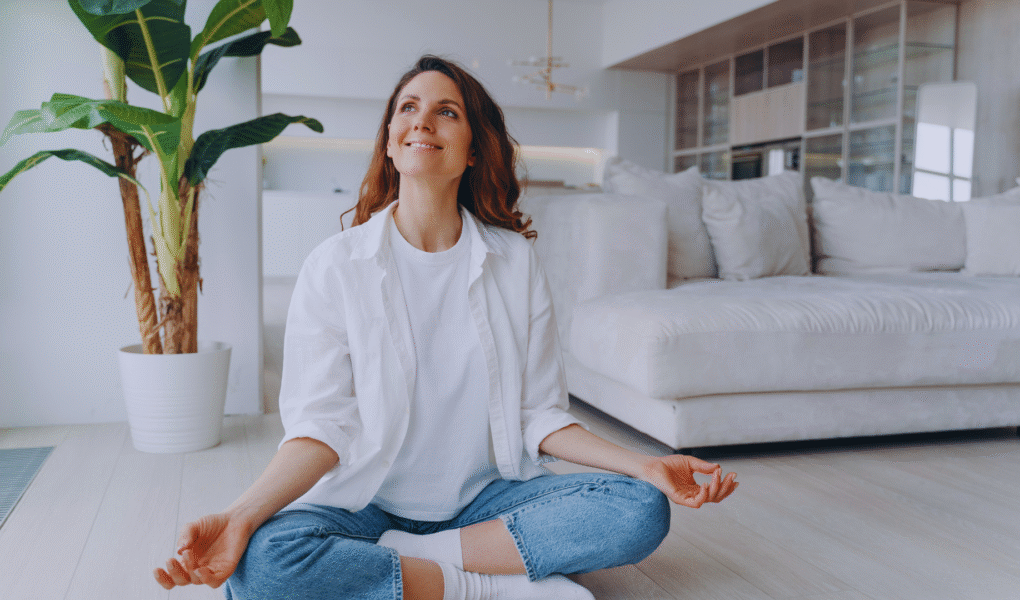
Creating a calm and peaceful home environment is essential for well-being and relaxation. To achieve this, integrating elements like soft lighting, natural materials, and organized spaces can significantly enhance tranquility. By focusing on simplicity and comfort, individuals can transform their homes into sanctuaries that reduce stress and promote a sense of security.
Incorporating calming colors, such as soft blues and greens, can create a serene atmosphere. Additionally, decluttering spaces and optimizing layouts for flow can help foster a peaceful ambiance. Plants and nature-inspired decor contribute to a more tranquil setting, connecting residents to the outdoors and enhancing overall air quality.
Sound plays a vital role in establishing a calm home environment. Utilizing soft music, nature sounds, or even silence can reduce noise-related stress. By intentionally designing each aspect of their home, individuals can cultivate an environment that nurtures peace and serenity.
Foundations of a Calm and Peaceful Home
Creating a peaceful home environment starts with understanding how elements like clutter, color, and natural components affect the atmosphere. Implementing organized and harmonious elements lays the groundwork for tranquility and wellness.
Understanding the Impact of Clutter
Clutter can negatively impact mental clarity and tranquility. Surface clutter disrupts the serene ambiance needed for a cozy home. It can contribute to feelings of overwhelm and increased stress levels. To achieve a clutter-free space, one should regularly declutter by sorting items into keep, donate, and discard categories. Consider utilizing storage solutions that promote spaciousness, such as baskets and shelves, to maintain order.
Establishing daily habits can help maintain this calm environment. Simply dedicating a few minutes each day to tidying up can significantly enhance the overall sense of peace in the home.
Importance of Color and Light
The choice of color palette directly influences mood. Calming colors like soft blues, greens, and neutral tones create a serene atmosphere that fosters relaxation. These hues can bring a sense of tranquility to any space.
Natural light is essential in enhancing the overall wellness of a home. It not only boosts mood but also helps in creating a more open and welcoming environment. Utilizing sheer curtains or strategically placed mirrors can maximize natural light.
Soft lighting solutions, such as dimmable lamps and warm-toned bulbs, contribute to a cozy ambience. This kind of lighting helps in unwinding after a busy day, promoting restful activities and a tranquil environment.
Incorporating Natural Elements
Integrating natural elements into home interiors enhances the sense of calm. Indoor plants, such as peace lilies and snake plants, improve air quality and contribute to feelings of well-being. The greenery adds a refreshing touch that livens up any room. Using natural materials like wood and cotton can also promote a serene atmosphere. These materials connect the indoor space to the outdoors, fostering a sense of tranquility.
Additionally, incorporating textures such as woven baskets or linen throws can add warmth and comfort to spaces. This combination of elements creates an inviting and cozy home that encourages relaxation and mindfulness.
Designing a Personal Sanctuary
Creating a personal sanctuary involves thoughtful design choices that promote tranquility and comfort. Key elements include furniture arrangement, calming decor, and designated quiet spaces.
Arranging Furniture for Harmony
To foster a serene environment, furniture arrangement should prioritize openness and flow. Utilizing feng shui principles, placing larger pieces away from entrances enhances spaciousness and invites positive energy.
Consider these tips when arranging:
- Focus seating toward a focal point, such as a window or artwork.
- Leave pathways clear to prevent clutter and promote ease of movement.
- Incorporate soft textiles like cushions and throws to create warmth.
A well-organized layout encourages relaxation and facilitates a peaceful sanctuary where one can unwind and recharge.
Selecting Calming Decor
Decor plays a crucial role in establishing a tranquil environment. Opt for soothing colors, such as soft blues or greens, which evoke a sense of calm. Minimalism can be effective; choose decor that is functional and aesthetically pleasing without overwhelming the senses.
Key elements to consider include:
- Wall décor: Incorporate nature-inspired artwork or photographs that evoke peace.
- Natural materials: Wood, stone, and plants bring a breath of freshness and life to the space.
- Lighting: Soft, diffused lighting enhances mood, while candles add ambiance.
This careful selection promotes a calming space that nurtures one’s spirit and fosters relaxation.
Creating Quiet and Recharging Corners
Designated quiet corners are essential for personal retreats. These areas can serve as a cozy reading nook or a meditation corner, providing spaces dedicated to me time.
To create these corners:
- Choose comfortable seating that invites relaxation, such as a plush chair or floor cushion.
- Add soft textiles, including blankets or pillows, to enhance comfort.
- Incorporate nature with indoor plants or soothing scents like lavender to promote a tranquil atmosphere.
These thoughtfully designed pockets of peace rejuvenate the mind and body, creating an ideal environment for self-care.
Lifestyle Choices for Lasting Tranquility
Creating a calm and peaceful home environment involves intentional lifestyle choices. These choices can significantly influence wellness, reduce stress, and promote relaxation.
Embracing Mindful Routines
Mindful routines provide structure and promote tranquility. Establishing morning and evening rituals can anchor the day and create a peaceful atmosphere. Morning practices may include meditation or gentle stretching. These activities help enhance energy levels and set a positive tone for the day. Evening routines like reading or journaling promote reflection and relaxation before sleep.
Ensuring consistency in these routines supports well-being and helps highly sensitive individuals feel more grounded. Mindfulness fosters a sense of presence, reducing anxiety and stress.
Introducing Calming Scents and Aromatherapy
Aromatherapy plays a significant role in creating a serene home. Calming scents can influence mood and emotional well-being. Using essential oil diffusers with oils like lavender or chamomile can promote relaxation. Individuals can also consider scented candles made from natural ingredients.
Incorporating these elements into daily life allows for refreshing breaks that can recharge the mind. Scents create an inviting and tranquil space, encouraging peace and comfort.
Promoting Tech-Free Zones and Healthy Habits
Creating tech-free zones in the home encourages mindfulness and reduces distractions. Designating certain areas for relaxation away from screens can foster a peaceful atmosphere. In these zones, individuals can engage in activities like reading or practicing yoga. This promotes healthy habits that contribute to overall wellness.
Additionally, establishing boundaries around technology use supports mental health. Encouraging family or housemates to disconnect together enhances connection and relaxation time.
Connecting with Nature Indoors and Outdoors
Incorporating elements of nature can enhance the home environment. Bringing plants indoors not only improves air quality but also adds calming visual appeal. Birdsong, nature sounds, or outdoor spaces can promote relaxation. Taking time outdoors for short walks helps reduce stress and recharge the mind.
Combining indoor plants with outdoor experiences invites tranquility into everyday life. These connections with nature support emotional well-being and create a harmonious home environment.