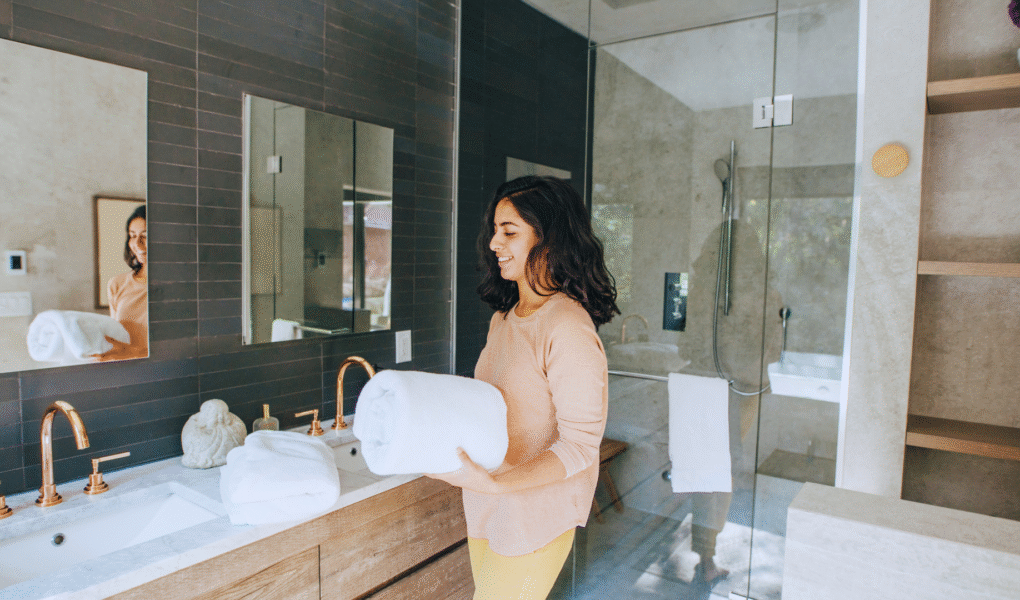
Decluttering a home can seem like a daunting task, but it can lead to a more organized and serene living environment. To successfully declutter, one must start by identifying what is truly necessary and what can be removed. This method not only creates physical space but also mental clarity, making it easier to enjoy your home.
Organizing items into categories—keep, donate, recycle, and discard—can simplify the process. By tackling one area at a time, individuals can feel a sense of accomplishment and stay motivated throughout the decluttering journey.
Establishing a routine for evaluating belongings can prevent clutter from accumulating again. Adopting simple strategies for maintaining an organized space ensures that a tidy home becomes a lasting reality, not just a fleeting state.
The Benefits of Decluttering Your Home
Decluttering a home has multiple advantages. It enhances the living space, promotes mental well-being, and can help in saving both time and money. Embracing a clutter-free lifestyle also paves the way for minimalism, which enriches daily living.
Improve Your Living Space
A decluttered home creates a more functional living space. It allows for better organization and accessibility. Items are easier to find, which leads to a smoother daily routine. Moreover, a tidy environment contributes to aesthetic appeal. Open areas feel more inviting, allowing for leisure and social interactions. This transformed space can also serve as a sanctuary, promoting relaxation and comfort.
Creating designated storage solutions helps in maintaining that neatness. Using baskets, shelves, or containers can enhance organization and make cleanup simpler. Ultimately, a well-arranged home reflects personal taste and fosters a positive atmosphere.
Boost Mental Health and Productivity
Clutter can be a significant source of stress. Studies indicate that a clean environment correlates with reduced anxiety levels. When surroundings are orderly, individuals often experience improved focus and clarity of thought.
A decluttered space minimizes distractions, making it easier to concentrate on tasks. This focus boosts productivity in both personal and professional realms. Individuals may find themselves accomplishing more when their environments are streamlined.
Additionally, a clean home can instill a sense of accomplishment. Completing the decluttering process can enhance mood and motivate further personal projects. This positive mental impact supports overall well-being.
Save Time and Money
Decluttering directly contributes to time savings. Searching for misplaced items is a common frustration in cluttered spaces. By organizing possessions, individuals can locate what they need quickly, streamlining daily tasks.
On the financial side, reduced clutter can prevent unnecessary purchases. When people can see what they own, they are less likely to buy duplicates. This awareness leads to more informed financial decisions.
Furthermore, a minimalist lifestyle often encourages mindfulness regarding spending. It promotes valuing experiences over possessions, potentially leading to significant savings in the long run. This shift can transform both financial health and personal priorities.
Adopt a Clutter-Free Lifestyle
Transitioning to a clutter-free lifestyle offers lasting benefits. Adopting minimalism can transform one’s approach to possessions. Fewer items mean less time maintaining and organizing belongings. This lifestyle fosters intentionality in purchases. It encourages individuals to evaluate needs versus wants. As a result, this can lead to better quality items that have longevity.
Additionally, a clutter-free approach aligns with sustainable living practices. Reducing the volume of belongings often translates to buying less and consuming more consciously. The integration of these principles supports personal fulfillment and environmental responsibility.
Proven Tips for Decluttering Your Home
Decluttering a home can feel overwhelming, but following structured methods makes the process manageable. Effective strategies focus on organization, prioritization, and time management to create a clear and functional space.
Start With a Decluttering Checklist
Creating a decluttering checklist is an essential first step. It provides a roadmap for the entire process, helping to identify which areas require attention.
Key items to include on the checklist are:
- Living Room: Remove unnecessary decor, books, and misplaced items.
- Kitchen: Sort through pantry items, expired food, and appliances.
- Bedroom: Declutter clothing, shoes, and personal items.
- Bathroom: Get rid of expired products and items no longer used.
Reviewing the list regularly keeps motivation high and progress visible. Checking off completed tasks gives a sense of accomplishment and clarity in the decluttering journey.
Focus on One Room at a Time
Concentrating on one room at a time minimizes distractions and enhances focus. This technique allows for a more thorough assessment of items within each space.
Start in the most cluttered area or the room that impacts daily life the most. Each room can be tackled using a specific method, like:
- Sorting: Separate items into keep, donate, recycle, and discard piles.
- Organizing: Utilize storage solutions such as boxes, bins, and shelves to organize remaining items.
This method prevents feeling overwhelmed and helps make tangible progress. Completing a room before moving on to the next provides a sense of achievement.
Use the 80/20 Rule
The 80/20 rule suggests that 80% of results come from 20% of efforts. In decluttering, this means most space is occupied by a small percentage of items actually used.
Identify and focus on the essential 20%:
- Clothing: Assess frequently worn items versus rarely used pieces.
- Kitchenware: Determine which tools are used regularly compared to those collecting dust.
By prioritizing the core items that contribute most to daily life, one can significantly alleviate clutter. This not only enhances space but also preserves what matters most.
Set a Decluttering Timeline
Establishing a decluttering timeline creates a clear framework for consistency. Setting specific deadlines helps maintain momentum.
Consider breaking the timeline down into manageable chunks:
- Daily Tasks: Dedicate 15-30 minutes each day to decluttering.
- Weekly Goals: Aim to complete one room or area each week.
Utilizing a calendar can help keep track of what has been accomplished. This structured approach transforms the decluttering process from a daunting task into a series of achievable steps.
Decluttering Methods and Organization Strategies
Effective decluttering involves various methods and strategies that can transform a cluttered space into an organized environment. Key strategies include sorting possessions, using storage solutions, managing sentimental items, and implementing popular decluttering methods.
Sort, Donate, Sell, or Recycle
Sorting items is the first step in decluttering. She can categorize belongings into four main groups: keep, donate, sell, or recycle.
- Keep: Essential items that are used regularly.
- Donate: Items in good condition that can benefit others.
- Sell: Valuable items that can be resold online or at garage sales.
- Recycle: Non-donatable items made of recyclable materials.
Establishing these categories helps in making decisions about each item. It’s important to approach the process with honesty and a clear purpose. This method not only reduces physical clutter but also promotes a more conscious approach to consumption.
Organize Using Storage Solutions
Once clutter is sorted, effective organization is key. Using various storage solutions can maximize space and promote a more organized environment.
- Storage bins: Labeled bins help keep items categorized and easy to access.
- Drop zones: Designate specific areas for frequently used items to minimize clutter.
- Storage units: For items that are rarely used, consider renting a storage unit.
Maintaining a clear system for storage ensures items are out of sight but still accessible. Proper organization techniques can significantly reduce the feeling of chaos within a home.
Manage Sentimental Items
Sentimental items can pose a unique challenge when decluttering. It’s vital to balance emotions with practicality.
One effective method is to:
- Edit: Choose favorites that hold the strongest memories.
- Photograph: Capture images of items before letting them go.
- Mend: Repair any cherished belongings if feasible, rather than keeping damaged items.
By actively managing these items, she can retain memories without feeling burdened by physical objects. This thoughtful approach helps maintain emotional and spatial balance.
Try Popular Decluttering Methods
Several popular decluttering methods can provide structured approaches. One well-known method is the KonMari method, which emphasizes keeping items that spark joy.
Other methods include:
- The 30-Day Minimalism Game: Participants eliminate one item on day one, two on day two, and so on.
- The Four-Box Method: She can label four boxes as keep, donate, sell, and trash to facilitate decision-making.
Exploring various methods allows individuals to find what resonates best with them. Each technique encourages not just decluttering, but also a shift in mindset towards possessions.
Maintaining a Clutter-Free Home
To sustain a clutter-free home, it is essential to establish effective organizational systems, schedule regular clean-outs, and utilize storage solutions. Implementing these strategies will help in minimizing clutter and maintaining an orderly environment.
Establish an Organization System
Creating a personalized organization system is the foundation of maintaining a clutter-free space. This system should reflect individual needs and habits. One method is to categorize items by room, purpose, or frequency of use. For example, in the kitchen, group similar items like utensils, cookware, and cleaning supplies.
Utilizing labeled bins can enhance efficiency. Each bin should serve a specific function, making it easier to locate items quickly. Adopting Marie Kondo’s principles, individuals can assess items’ value and retain only those that “spark joy.” A tailored organization system promotes a sustainable lifestyle and keeps clutter at bay.
Use Drawer Dividers and Storage Bins
Drawer dividers and storage bins are practical tools for managing household clutter. Dividers help organize drawers into sections, making it easier to access items without digging through a chaotic pile. Using dividers in the kitchen can streamline cooking supplies while keeping utensils and cutlery neatly arranged.
Storage bins complement this by providing designated spaces for out-of-season clothes, toys, or miscellaneous items. Opting for transparent bins allows for easy visibility, while labeled bins promote accountability in maintaining order. These solutions not only optimize storage but also create an inviting environment free from disarray.
Schedule Regular Clean Outs
Regular clean-outs are crucial for preventing clutter buildup. Setting aside specific times each month encourages consistent maintenance of each area. During these sessions, an assessment of belongings can help identify items that are no longer needed.
To make the process manageable, it can be beneficial to focus on one room at a time. Establish a checklist that includes sorting, donating, or discarding items. This disciplined approach, especially in closets, ensures that irrelevant items do not accumulate. Regular clean-outs can transform the home into a more organized, livable space.
Consider Professional Organizers
For those struggling with organization, enlisting the help of professional organizers can be advantageous. They possess strategic skills and knowledge in home organization techniques. A professional organizer can analyze specific problem areas and propose tailored solutions.
Services may include hands-on decluttering, creating an organization system, or teaching techniques for sustainable upkeep. Homes may benefit from an objective perspective that professional organizers provide. Their expertise can be invaluable in transforming spaces and instilling long-lasting habits for maintaining order.